
 Like car theft, many cities and communities throughout the United States have seen an increase in home burglaries. If your home is ever burglarized, it is important to understand your home or renter’s insurance coverage.
Home insurance can provide you with coverage for replacement if you have valuables stolen from your home. In insurance terms, this is known as personal property coverage. Coverage varies depending on your policy limits and your deductible.
A Claim is Processed on Actual Cash Value or Replacement Value for Stolen Valuables
It is important to note that covered claims are processed based off your policy verbiage. Often policy holders believe valuables that were stolen from their home will be reimbursed at the same price as what they paid for it. This is not always the case.
Actual Cash Value – Actual cash value is the amount you paid for the item, minus depreciation at the time of your insurance claim. The insurance carrier reimburses you simply off what this specific item costs today. In most situations, insurance adjusters will determine the price of reimbursement is less than what you originally paid. Depreciation is broken down by wear and tear or the age of the item.
Replacement Value – Replacement value is the amount you paid for the item. It does not factor in depreciation. In a covered claim, an insurance adjuster will reimburse or replace an item similar to what was stolen at today’s price.
Choosing what coverage, you prefer for your policy is up to you. Actual cash value coverage tends to offer a more affordable insurance premium but does offer a little less coverage. Replacement value offers more coverage but increases your insurance premium.
Are all items in your home covered under personal property coverage?
Certain high price items should be covered under a policy rider.
This is separate from personal property coverage. Items such as wedding or engagement rings, other valuable jewelry, fine art, as well as equipment such as high price cameras, bicycles, musical instruments, firearms, or any other valuables you consider high price.
Contact an agent in our office to discuss if you need specific items in your home on a policy rider. It’s important to have separate coverage for these items because home insurance policies do have policy limits. If a high price valuable was stolen from your home, you may be underinsured. Therefore, your home or renters insurance policy could not provide you with proper replacement for your valuable.
Have Questions about Your Home or Renters Insurance Policy?
Our agents are here to answer your questions and ensure you understand your insurance coverage. Contact us for a home or renters insurance policy review.
 When a person thinks about car theft, there are a few scenarios to imagine such as personal property items stolen out of your vehicle, car parts stolen from your vehicle, or your car was physically stolen and couldn’t be recovered.
 If you’re a boat owner, you wait all year for boating season. Whether you take your boat out for a joy ride, take it out every weekend with friends or enjoy fishing trip, boats bring a lot of joy.
 Here are some updates on insurance or common questions we hear from customers.
 Water damage can occur in many ways in your home. Whether it is a burst pipe, a leak from your refrigerator or freezer, your house is flooded due to weather conditions, and more. It is important to understand what type of water damage is covered under your standard home insurance policy. Not all water damage would be covered in the event of a flood claim for a standard home insurance policy.
 When we think of an issue that may arise by being a homeowner, many people wonder if their problem can be covered by insurance.
 You have many coverage options when it comes to purchasing auto insurance. Some people choose to have the state minimum requirements, while others want more coverage protection.
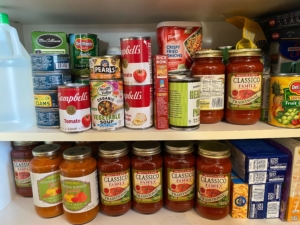 We all know the importance of being prepared, but what percentage of us actually do the prep work? A good way to ask yourself if you are prepared is to assess what you have on hand now. If a disaster struck today or if you lost power for several hours to days, would you be prepared? If the answer is no, use this list to start preparing yourself this week. January can be a great time of year to start a new habit!
 Many people prefer to host a New Year’s Eve party instead of going out to celebrate. If you plan to gather with friends and family at your house, there are a few things to keep in mind when it comes to being a host.
 The holiday season tends to see some of the biggest crime waves throughout the year. Here are some things to be aware of when it comes to lowering your risk for theft this holiday season.